Hot and Cold Spots in Your Home: What they are and how to fix them
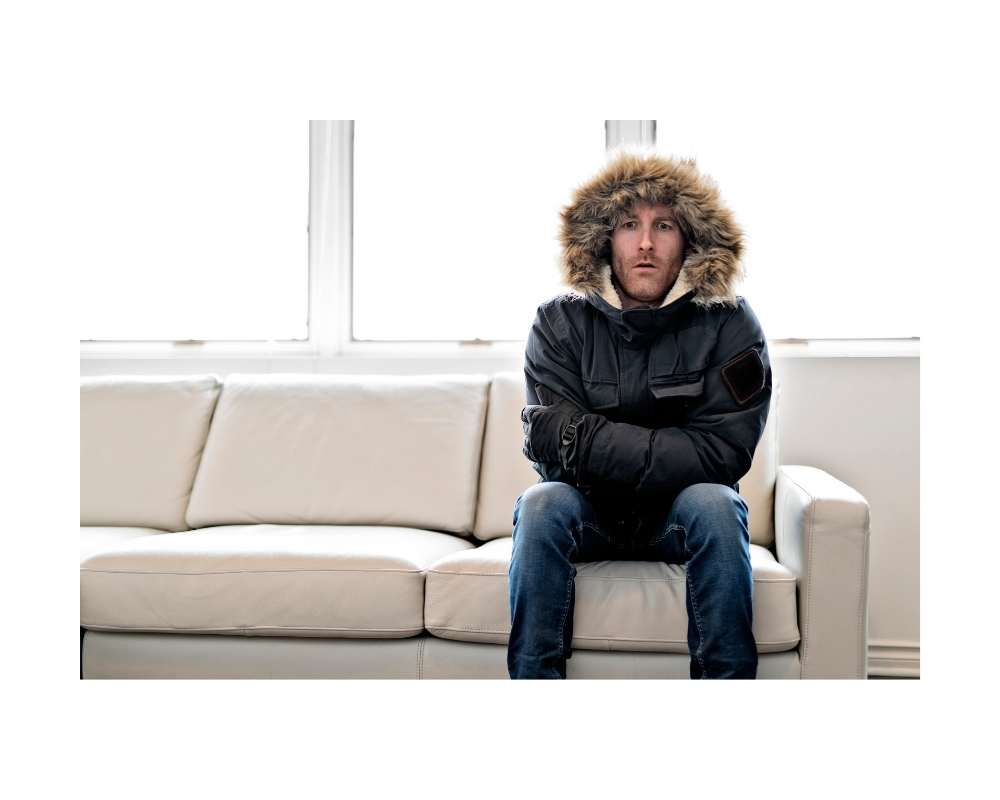
Have you ever noticed hot or cold spots in your home when the heat or air conditioning is on? Perhaps you have tried to compensate for the hot or cold spots by turning your thermostat down or up.
One thing is for sure—hot and cold spots in the home are not good.

Our weather runs the gamut in the Kansas City area— cold and damp in the winter and hot in the summer.
That is why we rely on our HVAC systems to help create a comfortable indoor environment in the home, to ,keep us warm in the winter and cool in the summer.
When our homes are unevenly heated or cooled, it can be frustrating and uncomfortable! It can also cost more because of increased heating or cooling bills.
Cold or hot spots in the home are common, and, luckily, they can be fixed. With the elimination process, you and your HVAC professional can determine the cause of your uneven temperatures and create a solution to bring comfort back into your home.
The Most Common Causes of Hot and Cold Spots
Some common causes of hot and cold spots in the home are relatively easy and inexpensive fixes, such as:
1. Dirty Air Filter
If your air filter is dirty, airflow is obstructed, and it forces the HVAC system to work extra hard to push air through the clogged filter.
Not only does this shorten the lifespan of your equipment, but the airflow throughout your house is reduced. Without a regular, unimpeded amount of airflow, it will take longer for your home’s temperature to balance out.
It is a good idea to change your disposable filter or clean your reusable filter every 90 days or so.
2. Blocked Air Vents
Your home's ducts bring the cooled or warmed air through your vents. The ducts also exchange the air through the return system. When there is a blockage in your ducts, the heated or cooled air cannot enter the room, making it cold in the winter or sweltering in the summer.
You can check the ceiling, wall, or floor vents located in the problem room. Sometimes, the issue can be solved by simply adjusting the vent. If the vents are open, ensure that no vent is blocked by furniture, clutter, or a rug.
It is also important to note that closing vents in an underused room on purpose to save money can damage your blower motor. An alternative to this is to install a ,zoning system.
3. Solar Heat
If one side of your house is a lot warmer than the other, especially during the day, ,solar heat could be causing the issue. While the sun's warmth can be a great way to conserve energy during cooler months (you can turn the thermostat down!), there can also be too much heat.
To make the room more comfortable, you can block the sunlight using blinds, install new windows, or plant trees in your yard for shade.
4. Air Leak

Air leaks can inhibit your HVAC system from regulating the temperature in your home.
You can do a quick check around your windows and doors for cracks or gaps.
If you find any cracks, seal these as soon as you can. You are adding unnecessary wear and tear to your HVAC system, and you are throwing money away on your utility bills!
5. The thermostat is in the Wrong Location
Your thermostat should be placed in your home where it will not be exposed to cold (like a doorway) or heat or direct sunlight.
Your thermostat's job is to determine the ambient temperature of your home. If it is exposed to heat or cold air sources, it will be unable to decide on your home's correct temperature. Therefore the thermostat will not force your HVAC system to cycle if it is too hot or too cold (or the opposite).
Most of these common causes for hot or cold spots in the home can be easily remedied. If you are comfortable fixing the issues, you may want to do so yourself.
However, if you are unable to or unsure, call your HVAC technician to come and assess the situation and suggest a fix.
Suppose you can determine that the above issues are not the cause of your home's hot or cold spots. In that case, the reason could be more complicated.
Other Reasons for Hot or Cold Spots in Your Home
If you have ruled out the more straightforward reasons for hot or cold spots in your home, you or your HVAC technician might need to look a little deeper for the culprit.
The following reasons could be the reason you are experiencing hot or cold spots in your home:
1. Duct Issues
You have made sure that your ducts are unobstructed, but you still have hot or cold spots in your home. You will need to investigate a bit further. After turning your thermostat on, feel your vents to ensure that some are getting airflow.
If you identify a vent with less or no airflow, you could have damaged ducts or leaks in your ductwork. When your ducts are installed, they are meant to be airtight. But over time, or due to poor installation, their seal could deteriorate.
Problems with your ductwork should be fixed promptly as leaking air means you will pay more utility bills to try to heat the rest of your home. You may see obvious signs of damage or leaks in your ductwork like sagging or holes. If you can't identify any, it is best to call an HVAC technician to assess your ducts.
HVAC specialists are trained to identify damaged ductwork. If there is anything to note, your HVAC technician can arrange for the repair or replacement of your ducts.
2. HVAC Equipment is Too Large or Too Small
Your HVAC equipment needs to have ,the capacity to keep your home comfortable. If any of the equipment that comprises your HVAC system—your furnace, air conditioner, or heat pump—is too small, your HVAC equipment will need to work extra hard to achieve the desired temperature in your home.
The result of this is that some areas of your house will be warmer or cooler than others. On the other hand, if your HVAC equipment is oversized, your units will heat or cool your home too quickly. They will never maintain a level temperature in all of your rooms, resulting in hot or cool spots.
An HVAC technician will be able to determine whether your units’ size is appropriate, and if not, install a replacement that will keep your home comfortable.
3. The Layout of Your Home
Any home addition or renovation can cause an issue with your HVAC system working effectively. If the renovation added a considerable amount of square footage to your home and your HVAC unit capacity was not considered, this could be the reason for your uneven heating or cooling.
Another reason could be that there is a loose connection in the ductwork that is not carrying the warm or cool air to the places in the home that need it.
Any of these issues require the expertise of a professional HVAC technician. Even if you have a good idea of the problem, calling your HVAC professional will ensure that the issue is taken care of by someone with the knowledge to fix it.
Repair for Your Hot or Cold Spots

Hot or cold spots in your home can be frustrating, especially when they are in rooms that you frequently use. Armed with an idea of what might be causing your problem, you can set to trying to fix it. However, if your problem is more complex, you need to enlist an HVAC professional’s help.
A locally owned and operated HVAC company like Dillon's Heating & Cooling can not only help you regulate the temperature in your home but also find the proper size for your HVAC units. In addition to this, they can fix your ductwork or advise on a variety of other HVAC topics.
Give ,Dillon's Heating & Cooling a call to fix your home's hot and cold spots.
source https://www.dillonsheatingandcooling.com/post/hot-and-cold-spots-in-your-home-what-they-are-and-how-to-fix-them


Comments
Post a Comment